
What to Eat in Warsaw: 10 Traditional Polish Dishes You Must Try

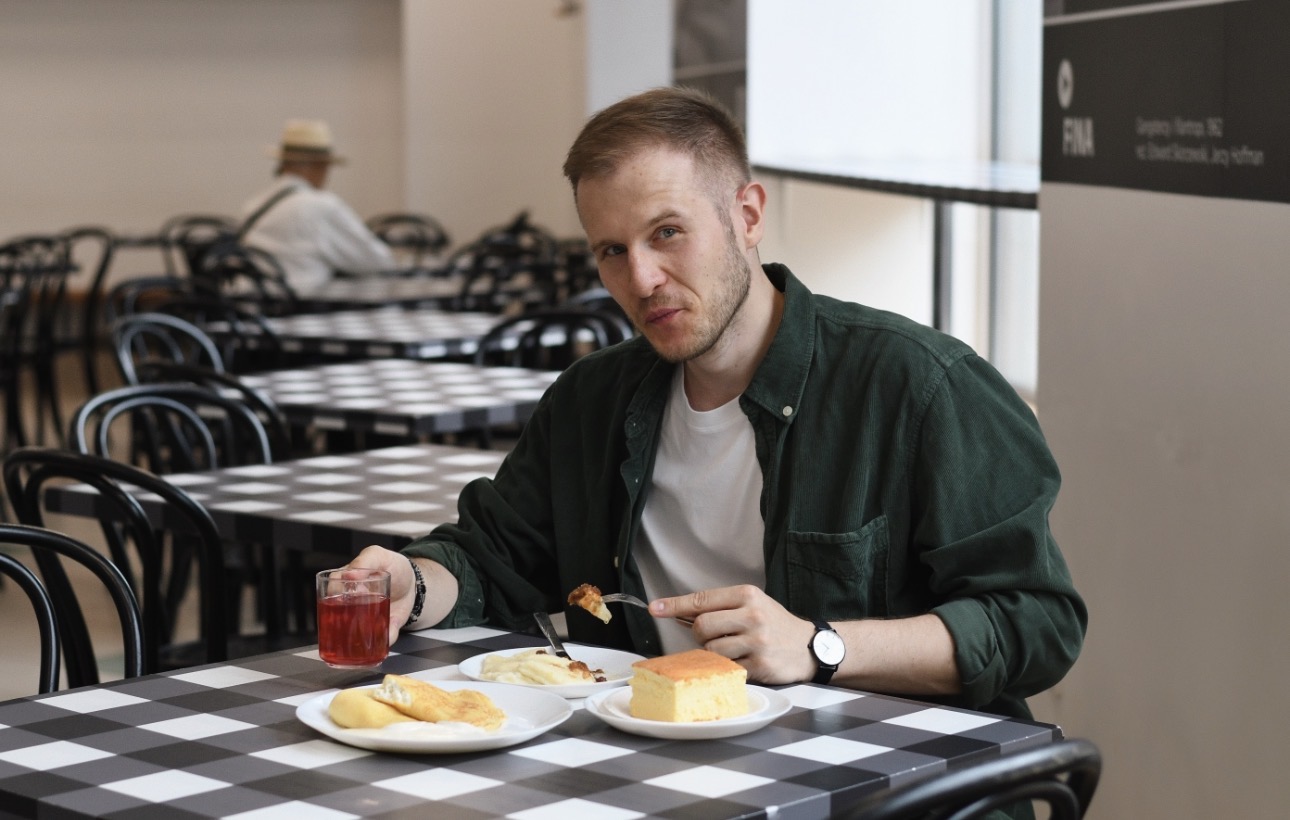
As a local food guide who has hosted more than 170 five-star food tours in Warsaw, I've introduced visitors from all over the world to authentic Polish cuisine. These are the dishes my guests remember the most, and the ones I believe every visitor should try.
In this guide, you'll discover 10 traditional Polish dishes you must try in Warsaw, where to eat them, and what makes each one special. By the end of your trip, you'll not only enjoy amazing food, you'll also feel a little more like a local.
Key points

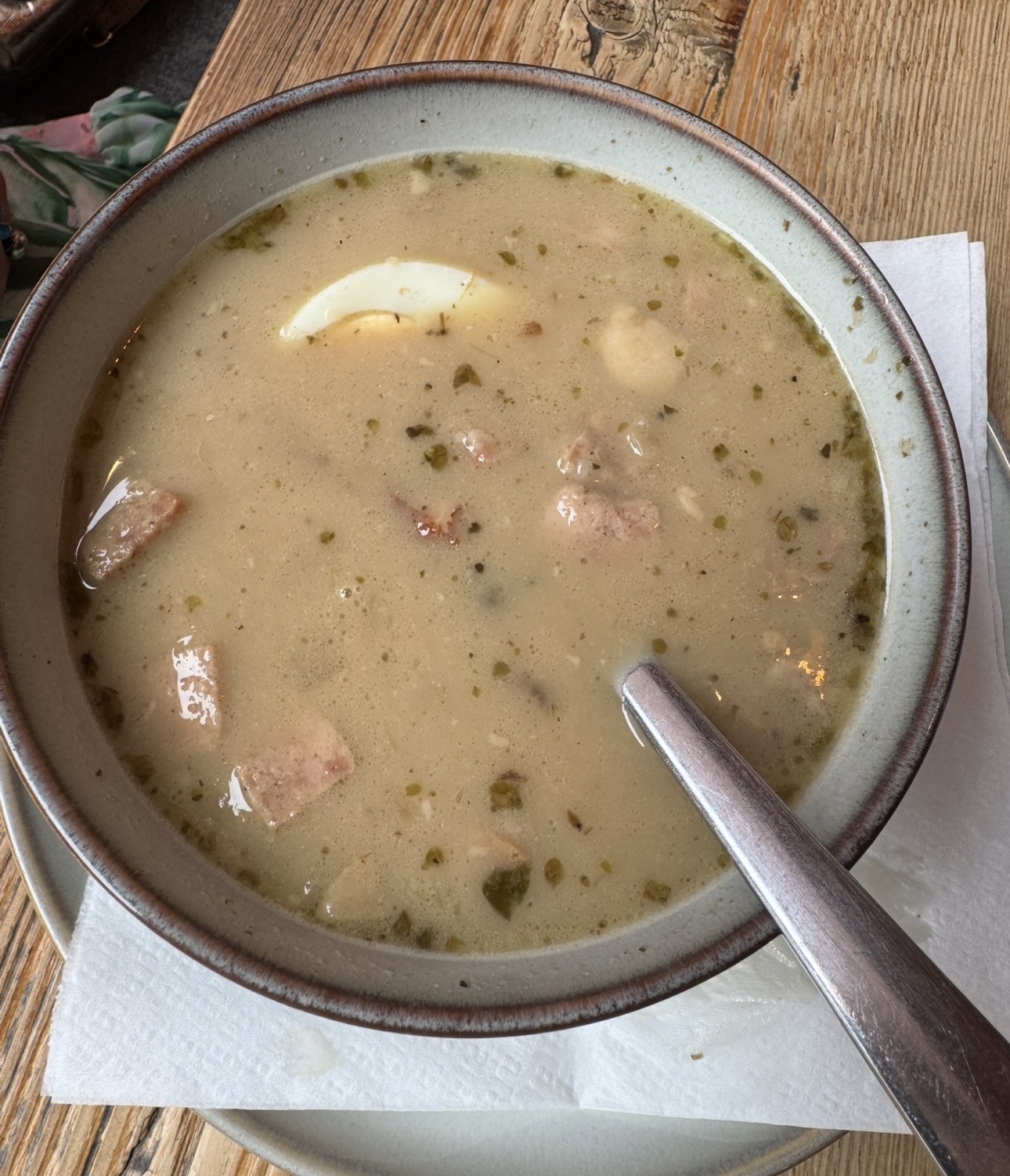
Żurek - Traditional Sour Rye Soup
Żurek is one of the most iconic dishes in Polish cuisine. It's made with fermented rye flour, giving the soup its distinctive sour flavor. A traditional bowl is served with smoked sausage, a boiled egg, and often fresh bread. This is the perfect dish to try if you want to experience authentic Polish comfort food. A really good zurek you can find at Komanda Lwowska restaurant, on Foksal street.
Schabowy - Poland's Classic Breaded Pork Cutlet
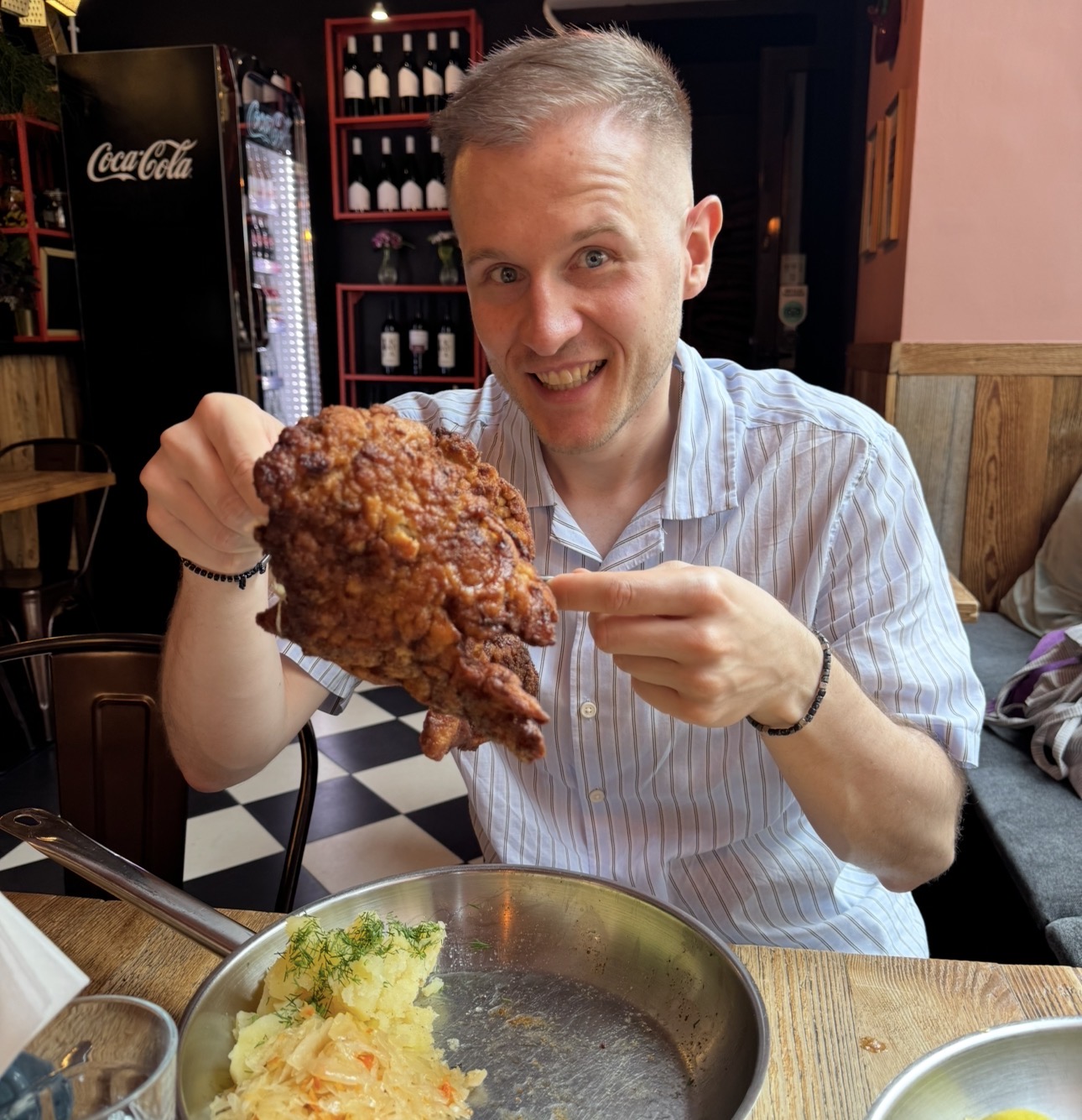
If you've ever heard someone compare Polish food to Austrian schnitzel, they're probably talking about schabowy. A breaded pork cutlet served with mashed or boiled potatoes and braised cabbage is one of the most traditional Sunday lunches in Poland. It's simple, filling, and loved by generations of Poles. My favorite one always at Patelnia Patera restaurant.
Kopytka with Beef Goulash or Meat Balls
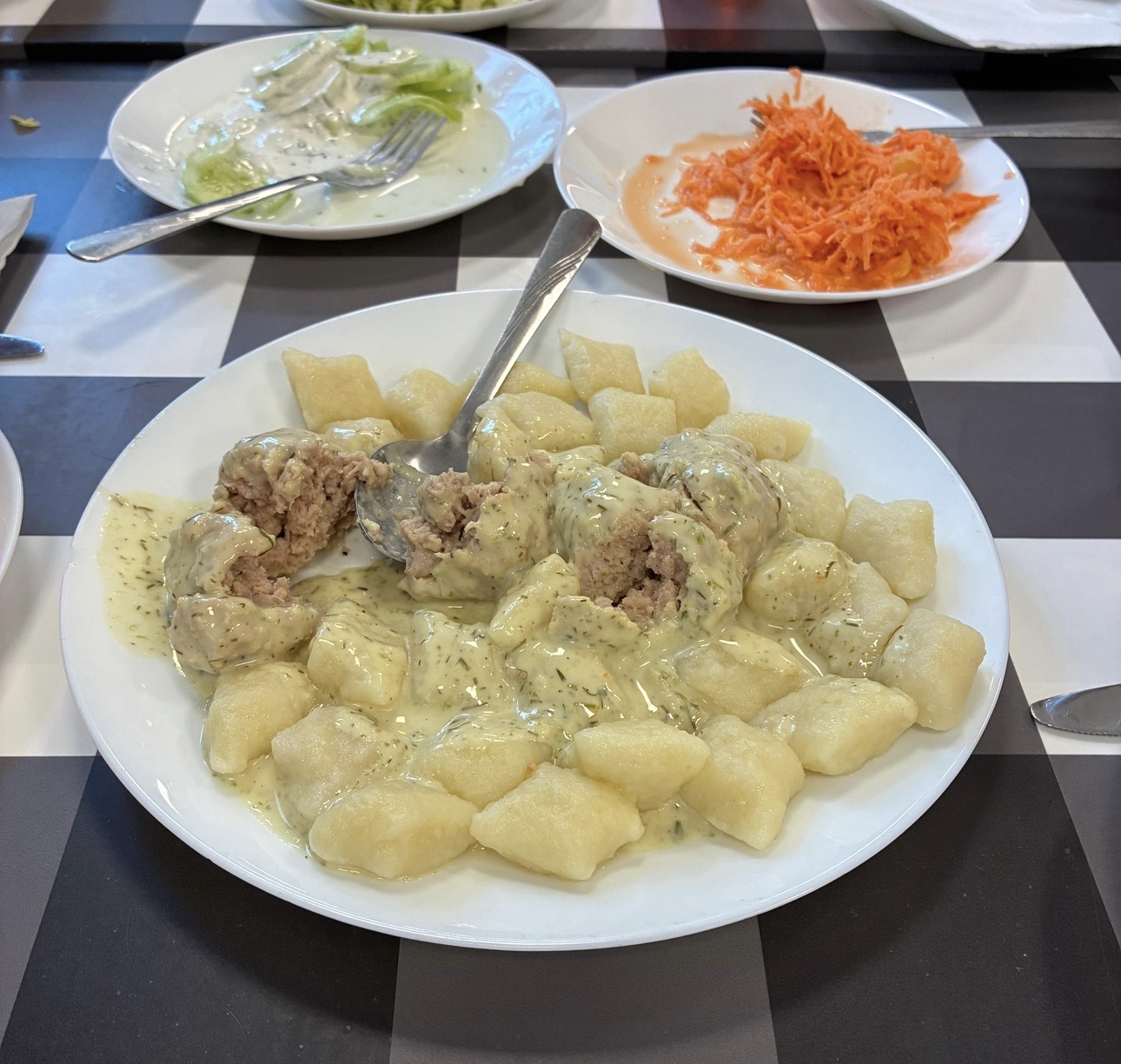
Kopytka are soft potato dumplings whose name means "little hooves" because of their shape. They're often served with rich beef goulash or pork meat balls, creating one of the most comforting meals you can find in Poland. This is classic homemade Polish cooking. I recommend to try at Bar Mleczny Bracki.
Polish Pierogi
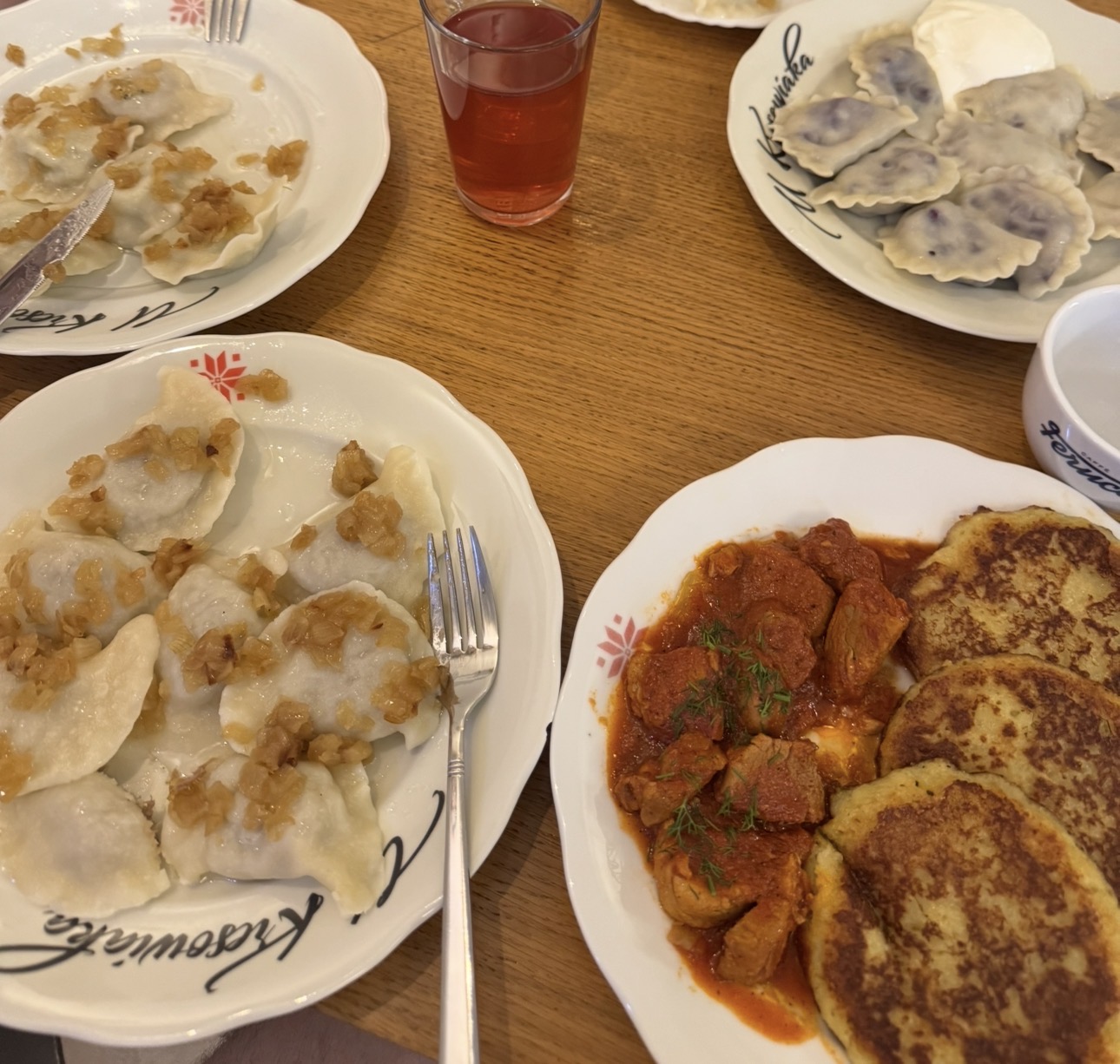
No list about what to eat in Warsaw would be complete without pierogi. These famous Polish dumplings come in many varieties. Traditional savory fillings include meat, potato and cheese, mushrooms with cabbage, while sweet versions are filled with seasonal fruits such as blueberries or strawberries. Both are worth trying. The best, hand made pierogi you can try at Bistro U Kresowiaka.
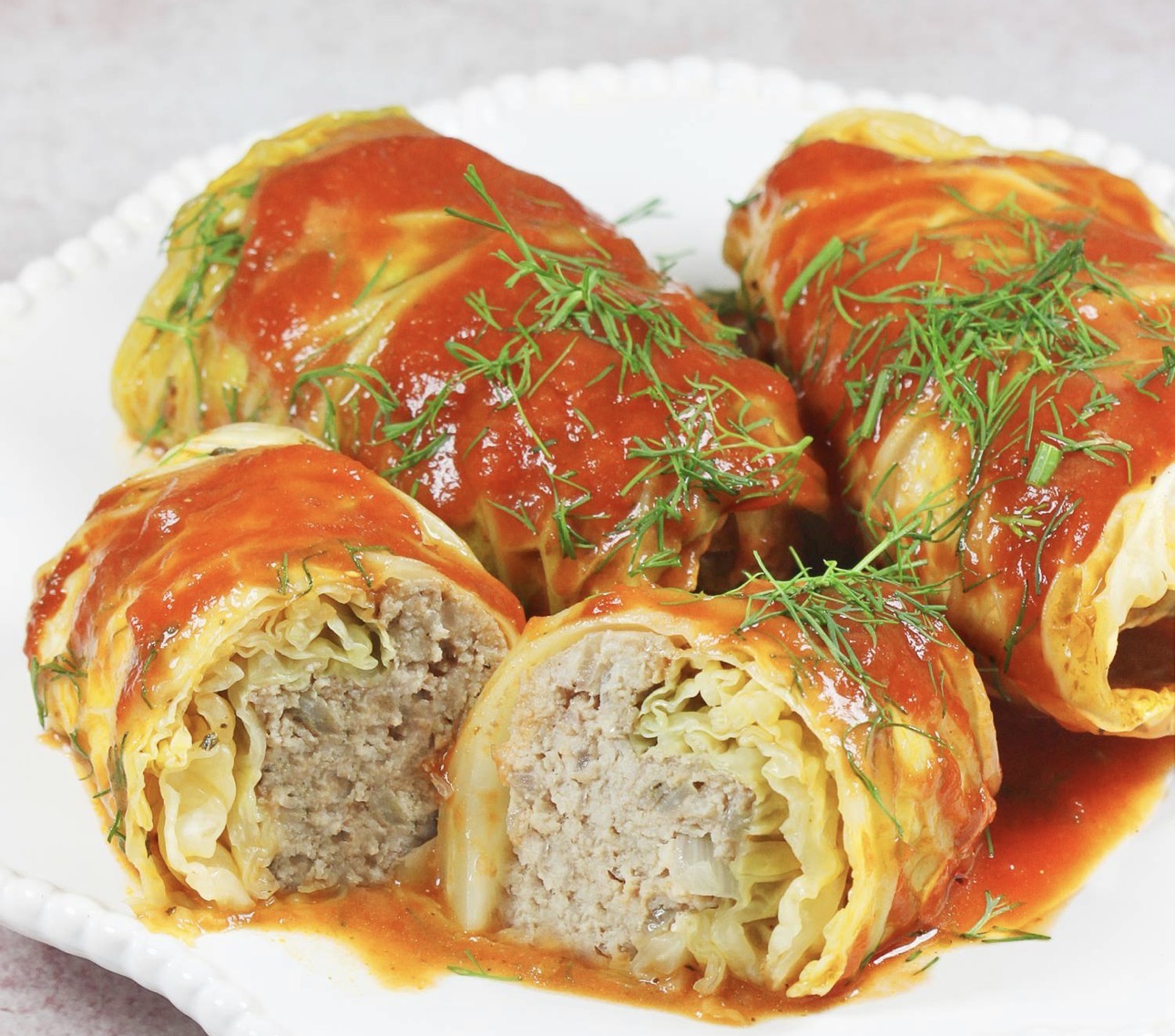
Gołąbki - Polish cabbage rolls
Gołąbki are cabbage rolls stuffed with minced meat and rice, then cooked in a rich tomato sauce. This is another traditional family recipe that many Polish people grew up eating at home. Delicious golabki you can find at Restauracja Specjały Regionalne on Nowy Swiat street.
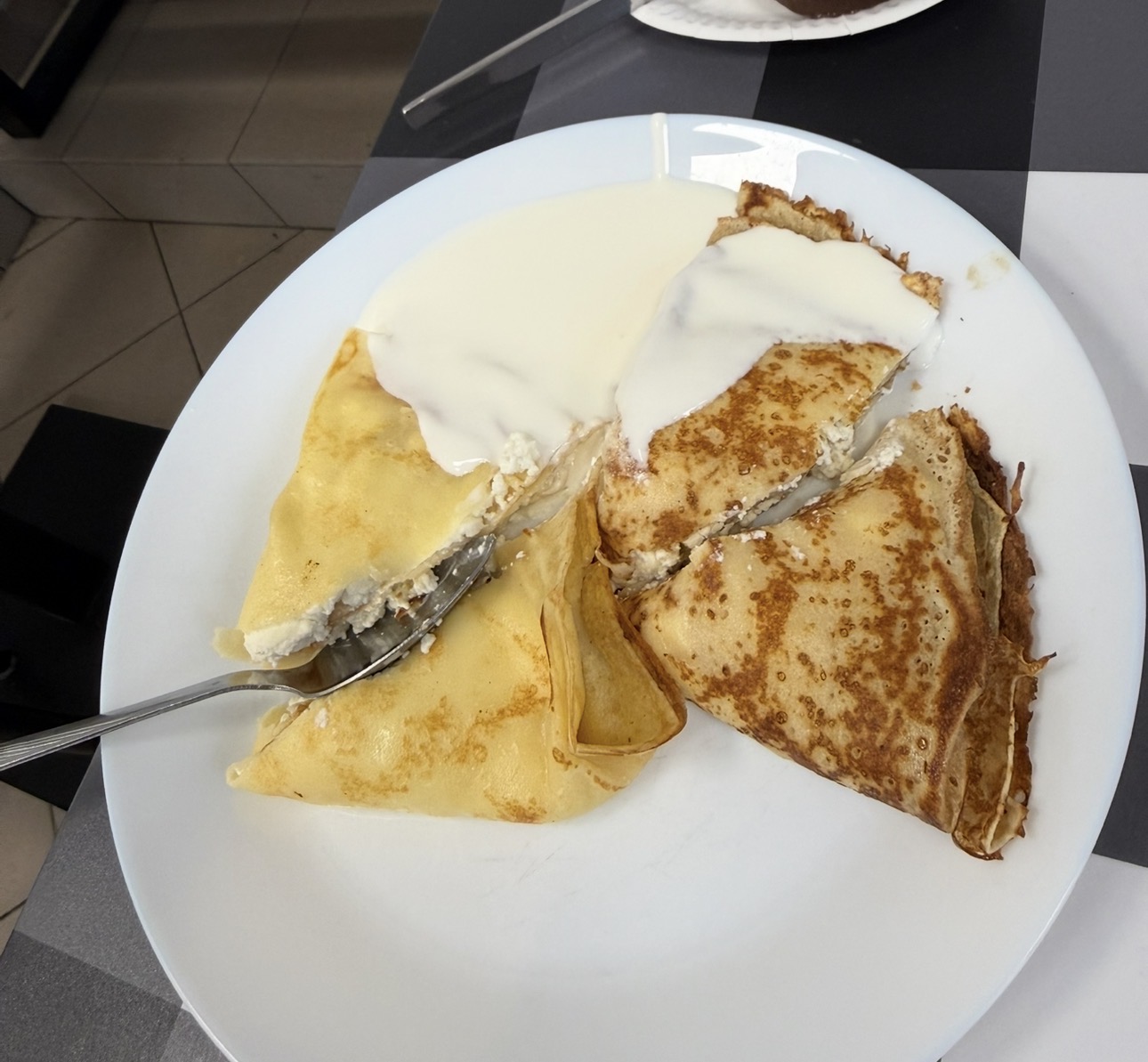
Naleśniki
Polish pancakes are much thinner than American pancakes and can be served either sweet or savory. The most traditional fillings include sweet farmer's cheese or homemade fruit jam. They're especially popular in Polish milk bars. You can try them at Bar Mleczny Rusałka.
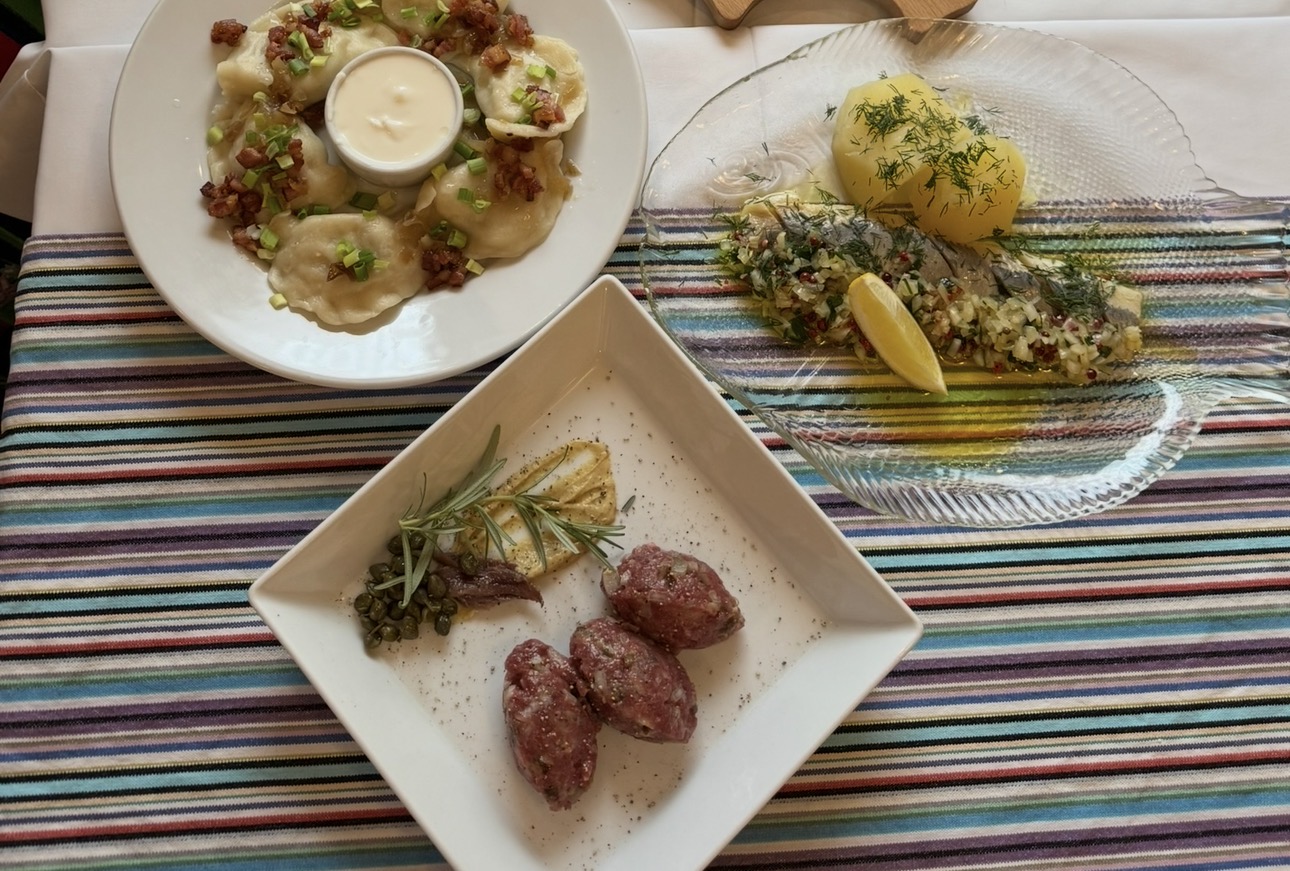
Polish Cold Starters: Steak Tartare, Pickled Herring & Pickles
If you'd like to experience traditional Polish appetizers, order a selection of steak tartare, pickled herring, and fermented cucumbers. Pair everything with a small shot of Żołądkowa Gorzka, one of Poland's well-known herbal vodkas, for a true local experience. I recommend to try at Restauracja Kameralna.
Polish Kompot
Unlike many countries where soft drinks dominate the table, Poland has its own traditional homemade fruit drink called kompot. It's prepared by slowly cooking seasonal fruits in water and lightly sweetening them. You'll often find pieces of fruit still inside the glass. It's refreshing and nostalgic for many Polish families. Kompot you will find at every milk bar.

Traditional Polish Pączki
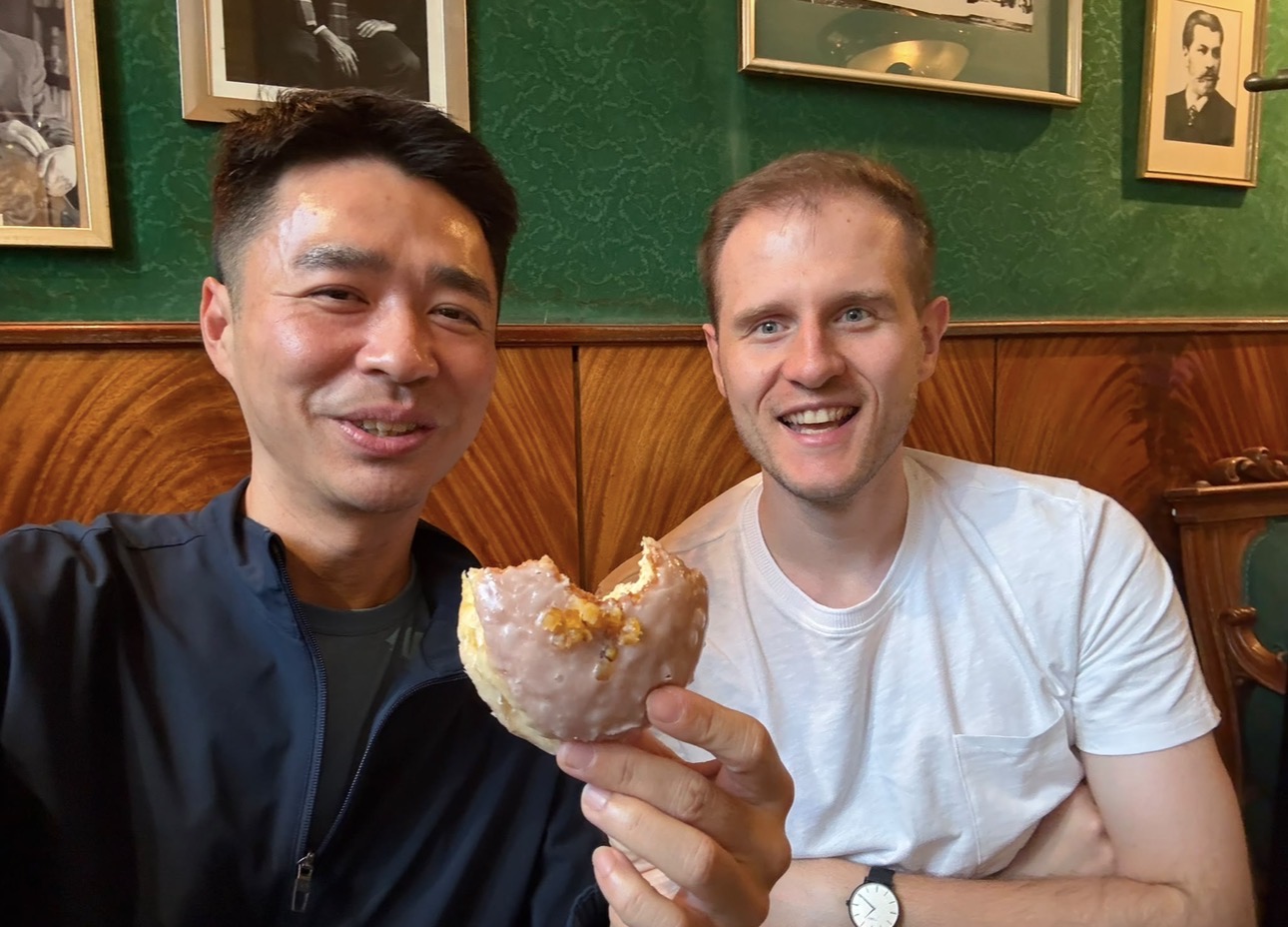
Pączki are famous Polish doughnuts filled with jam, rose preserve, custard, or other sweet fillings. Although they're enjoyed throughout the year, they become especially popular on Fat Thursday. For many locals, no visit to Warsaw is complete without trying a proper traditional pączek. Popular paczki you will find at Cukiernia Pawłowicz (Chmielna Street) or Pracownia Zagoździński (Górczewska Street) - a little farther from the city center, but considered by many locals to be one of Warsaw's best.
Traditional Warsaw Desserts
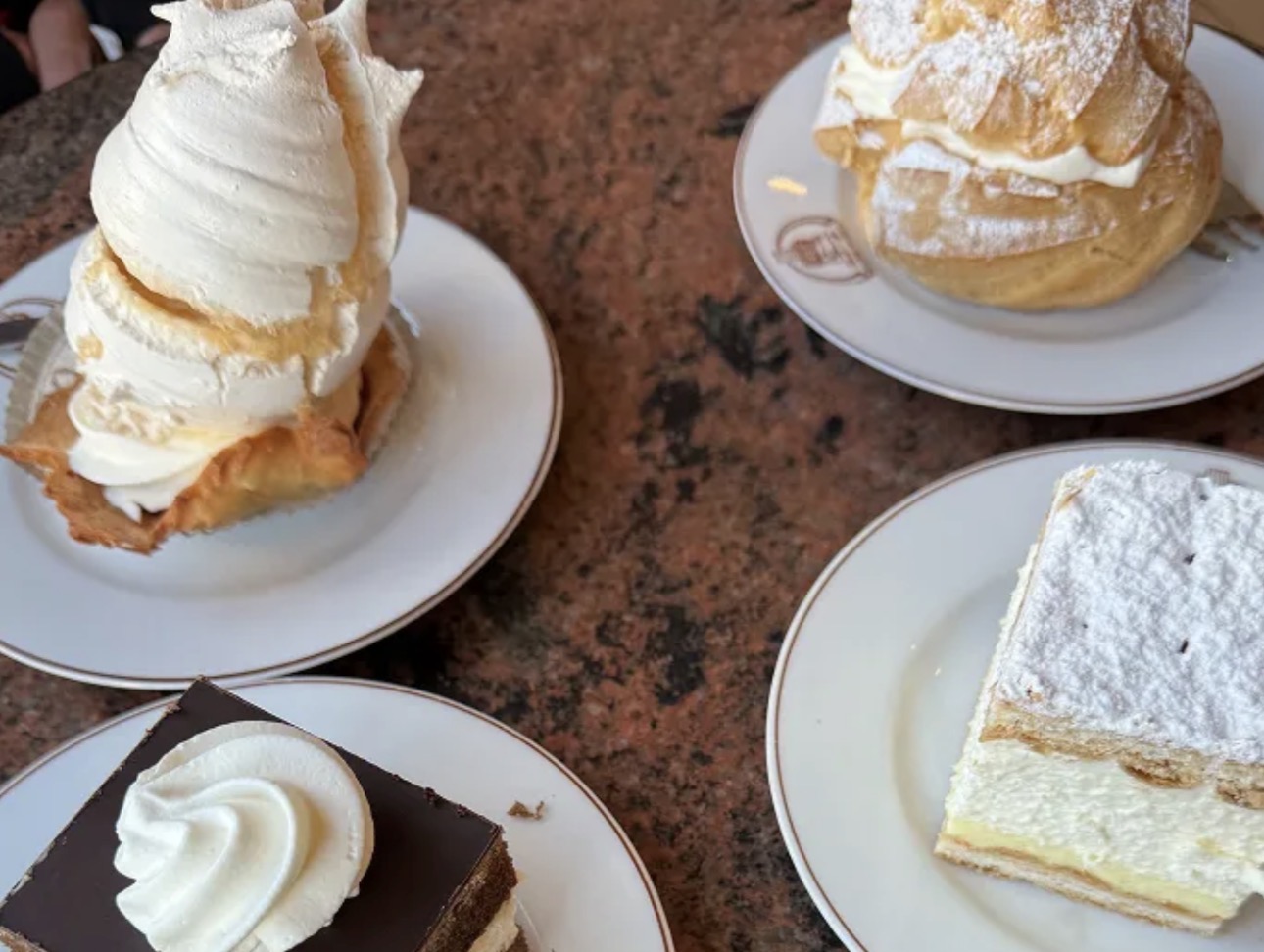
Besides pączki, Warsaw has several desserts that are deeply connected to the city's history. W-Z Cake was created shortly after World War II and named after the famous W-Z Route in Warsaw. Zygmuntowka is a modern Warsaw dessert inspired by King Sigismund III Vasa and the city's royal heritage. If you're looking for something lighter, try rurki z kremem, crispy pastry tubes filled with sweet cream, a favorite treat for many generations. All of them you will find at Cukiernia Olczak i Syn (W-Z Cake & Zygmuntowka) or Cukiernia Rurki z Kremem, both located at Rondo Wiatraczna.
If you're planning a trip to Poland's capital, these are the dishes you shouldn't miss. From comforting soups and homemade dumplings to traditional desserts and local drinks, Polish cuisine offers much more than most visitors expect. Of course, reading about food is only the beginning.
If you'd like to discover what to eat in Warsaw with a local guide, I'd love to welcome you on one of my group or private Warsaw Food Tours. I'll take you to places I genuinely love, introduce you to restaurant owners and family-run businesses, share the stories behind every dish, and help you experience Warsaw the way locals do. Food is one of the best ways to understand a city, and I'd be happy to share my favorite places with you.
What to Eat in Warsaw: 10 Traditional Polish Dishes You Must Try
What food is Warsaw famous for?
Warsaw is famous for traditional Polish dishes such as pierogi, żurek, schabowy, gołąbki, and pączki. You'll also find excellent milk bars, bakeries, cukiernia, and local restaurants serving authentic Polish cuisine.
What is the most traditional food in Warsaw?
Some of the most traditional dishes include żurek (sour rye soup), pierogi, schabowy, bigos, gołąbki, and potato dishes like kopytka. These recipes have been enjoyed by Polish families for generations.
Where can I eat authentic Polish food in Warsaw?
The best places include traditional restaurants, family-owned eateries, traditional cukiernia and historic milk bars.
Are there vegetarian Polish dishes?
Yes. Many Polish dishes are vegetarian, including cheese and potato pierogi, seasonal fruit pierogi, naleśniki with sweet cheese, mushroom dishes, and many soups.
Is Polish food expensive in Warsaw?
Not necessarily. You can enjoy authentic Polish food in traditional milk bars for a very affordable price, while restaurants offer a wider range of dining experiences for different budgets.
How can I discover local places in Warsaw?
If you'd like to discover authentic restaurants, hidden local spots, and learn the stories behind Polish cuisine, joining a local food tour is one of the best ways to experience Warsaw.

Latest articles
.jpeg)
Ready to experience Poland like a local?
If you want to try authentic Polish food in places locals actually love and hear the kind of everyday stories you won’t find in any guidebook, I’d be happy to show you around Warsaw or Krakow.
